
Keyword research is the foundation of every successful SEO strategy. It helps you understand what your audience is searching for and how you can position your content to meet their needs. Without proper keyword research, even high-quality content can struggle to reach the right audience. In this guide, you’ll learn how keyword research supports SEO and why it’s essential for improving visibility, traffic, and conversions.
What Is Keyword Research?
Keyword research is the action of identifying the words and phrases that people enter search engines with. These are keywords that capture user intent, what users want to know, purchase or resolve. With the help of appropriate keywords, you can match your content with the information that your audience is actively seeking.
Keywords come in various forms, such as short tail keywords (competitive and broad) and long tail keywords (specific and not competitive). The strategy of balanced key words comprises both of them to ensure the maximum reach and relevance.

Why Keyword Research Matters for SEO
Keywords research is also an essential tool in SEO as it determines all content strategy. It will make sure that your website content is in line with the intent of the user and the search engine algorithms.
Improves Search Engine Rankings
Search engines are supposed to provide the most useful results to a query. Make sure that you use the right keywords in your contents so that the search engines can understand that your page is relevant to them. This gives you more chances of appearing in the high search results.
As an example, when your content has keywords that are similar to what the user is searching, there is a higher chance that you will be shown by the search engine. In case you have no keyword research, you might end up targeting a keyword that no one is searching or you can be missing out on a good chance.
Drives Targeted Traffic
Not every traffic to a website is worthwhile. Keywords research assists you to capture people that are actually interested in what you are saying, what you are selling or what you are offering. With the help of targeting keywords, you attract visitors that are more likely to act and become converted.
For example, someone searching for a detailed phrase like “best budget smartphones under $300” has a clearer intent than someone searching for “smartphones.” Targeting such specific queries can lead to better results.
Helps Understand User Intent
The purpose of user intent is what determines a search query. It may be informational, navigational or transactional. Keywords research assist you in determining this purpose so that you can develop content that meets this purpose.
The closer your content is to the intent of the user, the more likely the visitor will remain on your site, further navigate and make a decision. This also enhances key SEO indicators such as bouncing ratio as well as dwell time.
How Keyword Research Shapes Content Strategy
Keyword research doesn’t just help you rank—it shapes what you create and how you present it.
Guides Content Creation
Through the analysis of keywords, you will be able to learn what matters to your audience. This aids you to develop content that responds to actual questions and addresses actual problems.
As an example, when you realize that a significant number of users are searching how to make websites faster, you can develop a comprehensive guide on the same. This stands a better chance of being discovered and shared.
Identifies Content Gaps
The keyword research may show the opportunities that your competitors overlooked. This can be achieved by using keywords that are less competitive or new topics that have not been exploited.
It is also a way to create a more extensive content library, with a broader scope of user needs.
Supports Content Optimization
Keywords research can be useful even to existing content. You can optimize your pages and maintain your competitiveness by adding new keywords to them.
It is important to optimize titles, headings, meta descriptions, and body content using specific keywords so that your pages are in line with the search trends.
Enhance On-Page SEO
On-page SEO is affected directly by the use of key word research. The right placement of the key words allows the search engine to get to know your content better.
Improves Titles and Headings
Adding keywords to the titles and headings will make your content more applicable and comprehensible. It can also assist a user in fast tracking whether your content has been found in his/her search.
Optimizes Meta Descriptions
An effective meta description using keyword targeting could enhance the level of clicking. Although it does not have a direct impact on rankings, it has an effect on the number of users selecting your page.
Strengthens Internal Linking
The research on keywords may inform your internal linking strategy. Using the relevant anchor text, you can connect the related content and enhance the structure of the site and ensure that search engines can crawl the pages in your site.
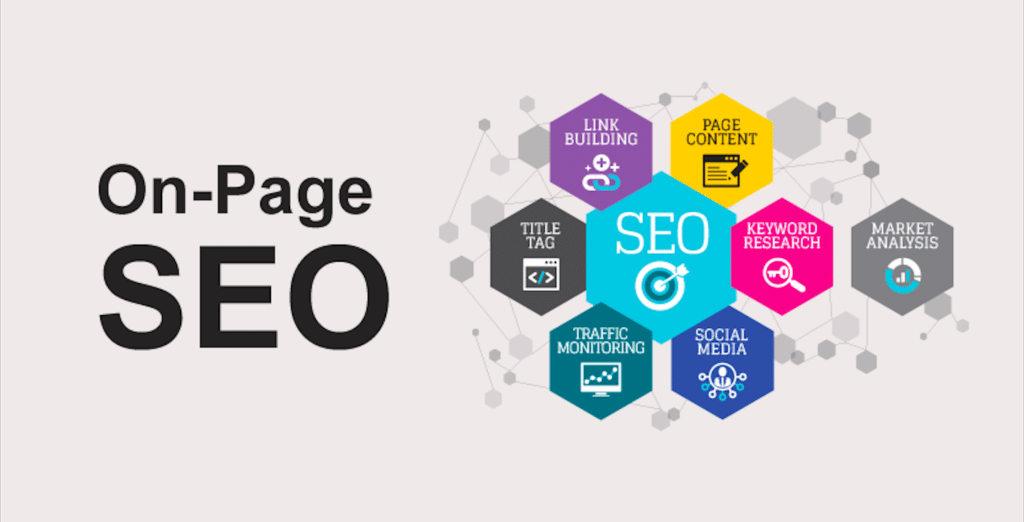
Boosts Competitive Advantage
Knowing what keywords your competitors are using can give you an opportunity to fine tune your strategy. You are able to tell the keywords that perform well and discover how to compete or even outdo the already existing content.
The keyword research tools tend to give an insight on the keyword difficulty, search volume and trends. Such lessons can guide you to make the right choices and focus on your work.
By targeting the correct keywords, you can be able to compete better even in saturated markets.
Supports Long-Term SEO Growth
SEO is not a one-time effort. Keyword research enables you to keep up with the changing trends and the user behavior.
The patterns of search are dynamic and with changes in industries, new keywords are created. Frequent keyword research helps you to keep your content within its relevance and keep it bringing traffic.
It also assists you in changing your strategy according to performance data to enable them to keep improving.